
-

International Students
For individual university students...InteRDom has many opportunities for students studying in a university in the U.S. or outside of the Dominican Republic!
-

Universities
Programs for universities and professors...Collaborate with us to build a short or long-term program in the Dominican Republic, or host an event in campus!
-

For Dominican university students...Dominican students can travel to the United States for short exchanges with prestigious universities
-

Organizations
Register to receive an intern...Interested in receiving international interns in your Dominican organization?
Contact Us to find out how
Connect with us! 


InteRDom is the premier internship, research and study program in the Dominican Republic. The program provides university students, professors, academics and professionals a platform for exchange and collaboration, promoting research and development in the Dominican Republic and the Caribbean region. Read More >
Our Latest News
-
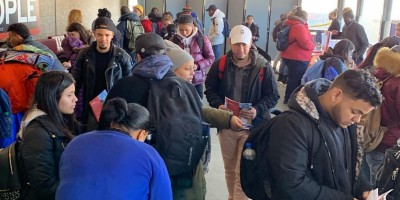
InteRDom Participated at The International Student Day at CUNY Bronx Community College
March 12, 2020InteRDom Coordinator Manuel Medrano just finished an exciting event celebrating International Education Day with CUNY Bronx Community College, by participating in an interesting event on March 3, 2020, designed to increase students’ awareness of and participation in international study, internship,... Read More
-
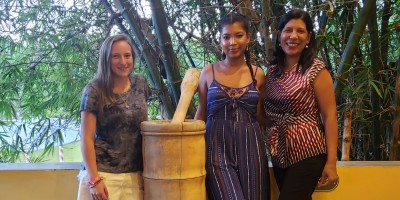
GFDD Closes 2019 InteRDom Summer Edition
August 19, 2019On August 14th, 2019, with a cozy and friendly dinner with the program’s staff and participants at Restaurant El Higuero in Santo Domingo, GFDD’s New York Office Director, Yamile Eusebio, closed the 2019 Summer edition of the InteRDom Program. Eusebio... Read More
-
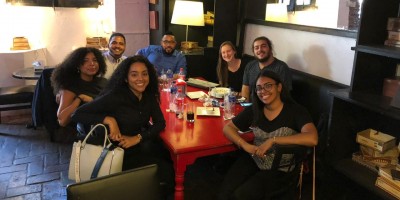
InteRDom 2019 Begins its Summer Program
June 5, 2019Santo Domingo – On Monday, June 3th, InteRDom’s 2019 Summer program got underway in Santo Domingo, Dominican Republic, with the introduction of the four new interns who will participate in the current program, led by Manuel Medrano, GFDD’s program coordinator.... Read More